Understanding human rights
Welcome to our Human Rights page. Explore the fundamental rights and freedoms that every individual should possess, irrespective of their background or location. This page serves as an entry point for understanding the core principles of human rights.
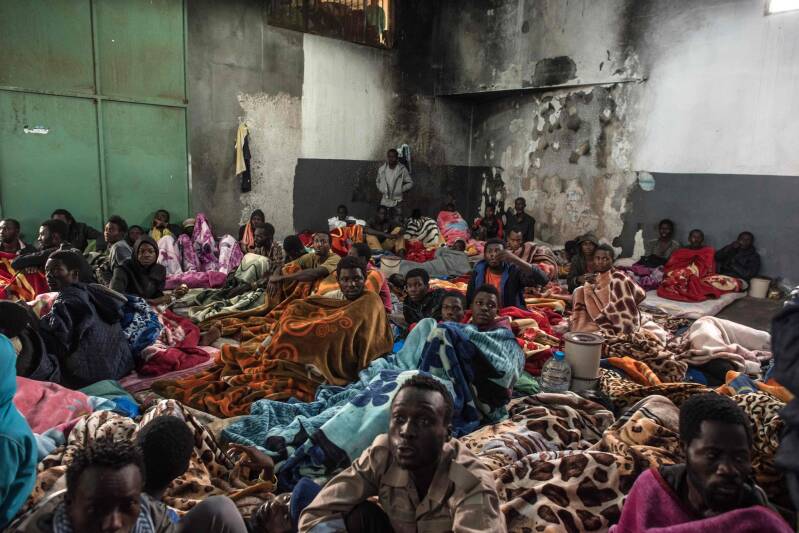
Trafficking in Persons in Libya: A Prolonged Crisis
Libya has remained a “Special Case” in the U.S. Trafficking in Persons (TIP) Report for eight consecutive years, reflecting the country’s persistent instability and inability to combat human trafficking effectively. Since the 2011 conflict and the collapse of centralized authority, Libya has struggled with fragmented governance, weak institutions, and widespread impunity—conditions that have allowed trafficking networks to thrive.
Political Instability and Governance Challenges
The Government of National Unity (GNU), established through a UN-facilitated process in March 2021, has failed to exert control over large portions of Libyan territory. Rival political and military actors, including eastern-based institutions such as the Libyan National Army (LNA), continue to undermine national unity. Although a ceasefire agreement signed in October 2020 reduced large-scale fighting, sporadic violence, militia rivalries, and foreign interference persisted during the reporting period.
Libya’s judicial system remains largely nonfunctional. Courts in major cities have been mostly inactive since 2014, and law enforcement capacity is severely limited. Extra-legal armed groups, including militias and foreign mercenaries, fill the resulting security vacuum. These groups frequently operate with little oversight and have been implicated in serious human rights abuses, including forced labor, sex trafficking, child recruitment, and violence against migrants.
Legal Framework and Law Enforcement Gaps
Libyan law criminalizes certain forms of sex trafficking but does not criminalize labor trafficking, leaving a significant gap in legal protection. Existing provisions require proof of transnational movement and fail to cover trafficking induced through coercion or fraud. Adult male victims of sex trafficking are not legally recognized, further limiting accountability.
While slavery and slave trading are criminalized under the penal code, enforcement is minimal. Libya has never reported a conviction for either labor or sex trafficking. Law enforcement authorities lack training, resources, and operational capacity, and anti-trafficking efforts are further weakened by corruption and militia infiltration of government institutions.
Official Complicity and Impunity
International observers have repeatedly documented systemic official complicity in trafficking crimes. Members of the Libyan Coast Guard, immigration officials, security forces, and staff of the Department to Combat Illegal Migration (DCIM) have been accused of directly participating in trafficking or facilitating abuse.
Migrants detained in DCIM-run centers are frequently subjected to forced labor, sexual exploitation, extortion, and violence. Reports indicate guards have coerced detainees into work on farms, construction sites, and within detention centers themselves. In some cases, women and girls were reportedly sold to external traffickers for sexual exploitation. Armed groups aligned with the government have also been linked to the recruitment and use of child soldiers, including coordination with foreign armed factions.
Treatment of Victims and Detention Conditions
Libya lacks formal mechanisms to identify or protect trafficking victims. Authorities do not distinguish between migrants, refugees, asylum-seekers, and trafficking victims, leading to the detention, punishment, or deportation of individuals who may have been trafficked. Migrants are frequently arrested during mass raids and deported without screening for trafficking indicators, sometimes being abandoned in desert border areas without humanitarian assistance.
As of early 2023, international organizations estimated that 8,500 to 11,500 migrants and refugees were held in DCIM detention centers, with thousands more detained in unofficial facilities run by militias. Conditions in these centers are dire, characterized by overcrowding, lack of sanitation, food shortages, and limited access to medical care or legal aid. Women and children face heightened risks, particularly due to the absence of trained female staff and accountability for sexual violence.
Migrants as Primary Targets
Migrants remain the population most vulnerable to trafficking in Libya. An estimated 667,000 migrants were living in the country in 2022, many from Sub-Saharan Africa. International organizations report that a majority of migrants transiting Libya experience exploitation that may amount to trafficking.
Libya is also a major transit point for migration to Europe. Smugglers and traffickers often collaborate with armed groups, exploiting migrants through forced labor, debt bondage, extortion, and sexual exploitation. Some migrant boys have been coerced into piloting boats across the Mediterranean, later facing detention abroad for alleged smuggling offenses.
Women, Children, and Forced Recruitment
Women and girls, particularly from Sub-Saharan Africa, are at high risk of sex trafficking. Brothels operating in southern Libyan towns reportedly exploit women through coercion and violence. Nigerian women and girls are especially vulnerable, often recruited through deceptive promises and trafficked onward to Europe.
Children are also deeply affected. Armed groups have recruited boys as young as 13, exposing them to violence, exploitation, and abuse. Both Libyan and foreign children, including internally displaced persons, remain at risk due to poverty, displacement, and the absence of protective institutions.
Conclusion
Human trafficking in Libya is driven by prolonged conflict, weak governance, and widespread corruption. Despite being a party to the UN Trafficking in Persons Protocol, Libya lacks the institutional capacity, political will, and legal framework needed to prevent trafficking, protect victims, or prosecute perpetrators. Until stability is restored and accountability enforced, trafficking is likely to remain entrenched—continuing to devastate migrants, children, and vulnerable populations across the country.
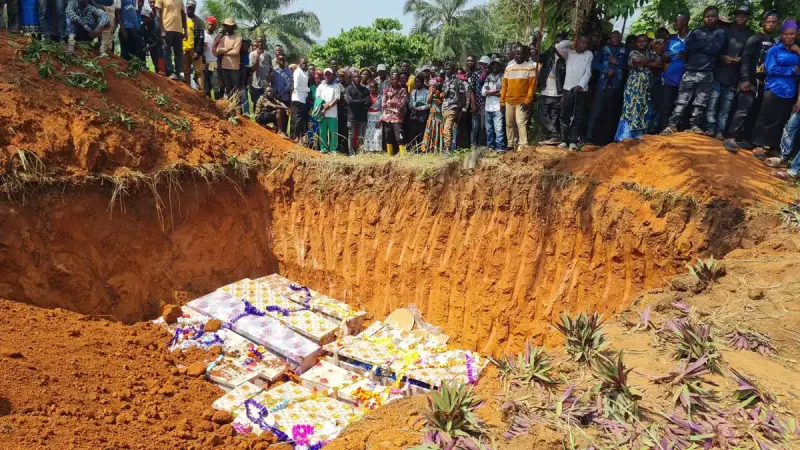
Over 7,000 Christians Massacred in Nigeria by Jihadists in Seven Months: Report
A new report by the International Society for Civil Liberties and Rule of Law (Intersociety) claims that at least 7,087 Christians were killed in Nigeria between January 1 and August 10, 2025, amid what the organization describes as escalating attacks by jihadist groups across the country.
The report, released on Sunday, August 10, further alleges that about 7,800 Christians were abducted during the same period, largely due to religious identity. Intersociety estimates that the death toll translates to an average of 30 Christian deaths per day, or more than one person every hour.
“No fewer than 7,087 Christians were massacred across Nigeria in the first 220 days of 2025,” the report states, adding that the killings and abductions were “brutal, unchecked, and systematic.”
States Worst Affected
According to the findings, Benue State recorded the highest number of deaths, with more than 1,100 Christians killed. The toll includes the June 13–14 Yelewata massacre, in which about 280 people reportedly died, and the April Sankera attacks that left over 70 Christians dead.
Plateau State followed with an estimated 806 deaths, including more than 300 people killed in April alone. Southern Kaduna recorded approximately 620 Christian deaths, alongside hundreds of abductions. Intersociety also noted alleged government censorship in Southern Kaduna, claiming that victims and community leaders were restricted from reporting attacks to the media and human rights groups.
Other regions highlighted in the report include:
-
South-East (Igbo land): 615 deaths
-
South-West: 610 deaths, with attacks on major highways such as Lagos–Ibadan and Benin–Ore roads
-
Niger State: 605 deaths and the highest number of abductions, estimated at 1,000
-
Kogi State: 550 deaths
-
Edo State: 505 deaths
-
Borno State: 420 deaths
-
Taraba State: 320 deaths
-
Delta State: 216 deaths
-
Katsina State: 200 deaths
-
Cross River State: 60 deaths
-
Bauchi State: 50 deaths
Abductions and Displacement
The report identifies Niger State as the epicenter of abductions, citing widespread cases of kidnappings, killings, forced displacement, and alleged forced religious conversions. Southern Kaduna ranked second in abductions, with an estimated 800 people kidnapped since January.
Intersociety also claims that Nigeria’s military operations, particularly in the South-East, accounted for over 410 Christian deaths, alleging indiscriminate arrests, killings, and disappearances linked to profiling and mass criminalization.
Allegations of Organized Jihadist Activity
Intersociety attributes the violence to a coalition of jihadist groups, including armed Fulani herdsmen and what it calls the “Alliance for Jihad in Nigeria.” The organization alleges that up to 22 Islamist terror groups are operating within Nigeria and warns of a long-term agenda aimed at eradicating Christianity and indigenous cultures.
The group’s lead researcher, Emeka Umeagbalasi, called for stronger international action, urging the United States, the European Union, the United Kingdom, and Canada to impose stricter sanctions and travel bans on individuals and entities allegedly supporting militant groups.
Sources and Methodology
Intersociety says its data was gathered from affected communities, local and international media reports, human rights organizations, religious bodies, and other research groups. The Nigerian government has not yet issued an official response to the report’s findings.
Nigeria has frequently ranked among countries with the highest levels of violence against Christians, according to multiple international watchdogs. The latest report is likely to intensify debate over security, religious freedom, and accountability in Africa’s most populous nation.
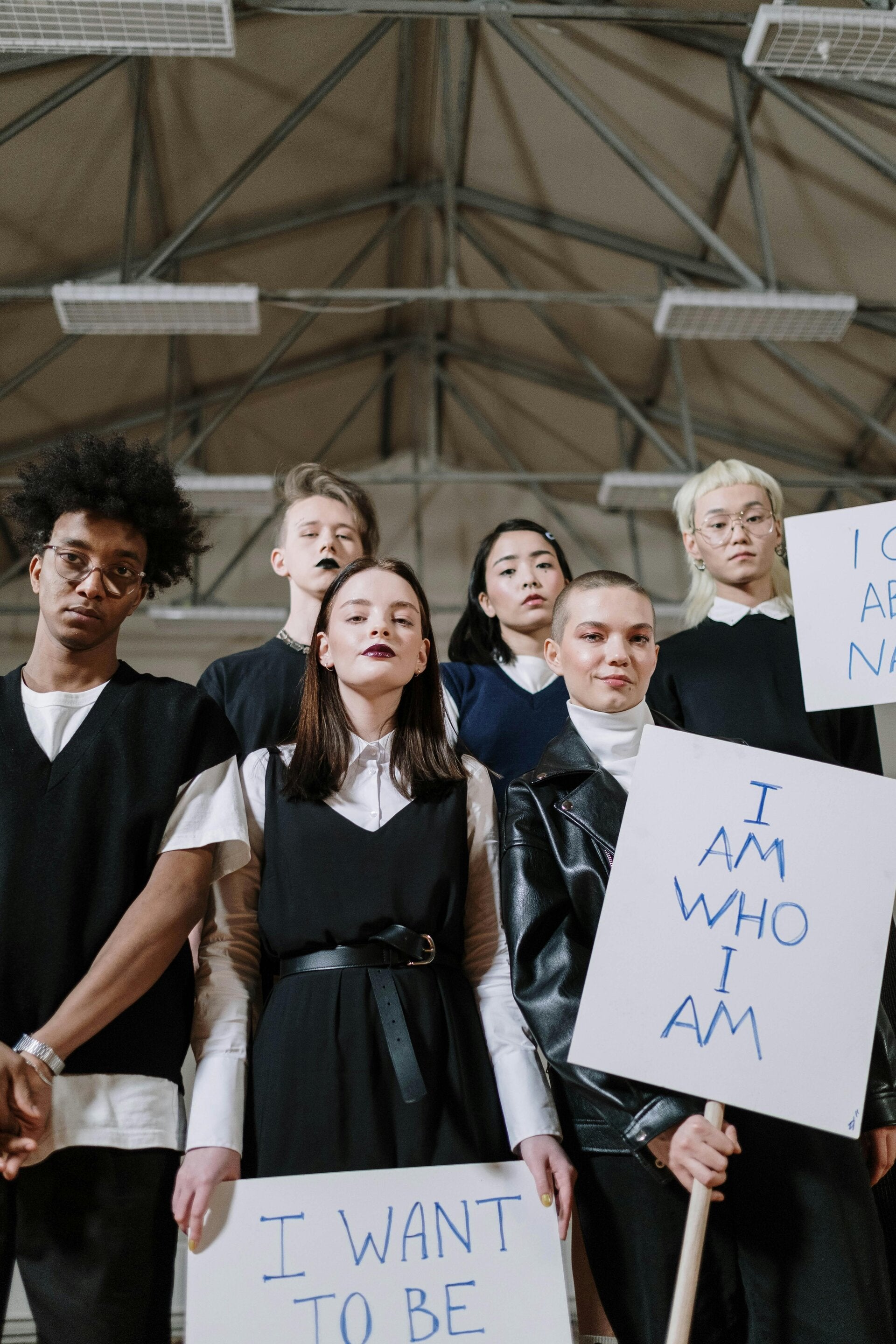
What are human rights?
This section aims to provide an overview of what human rights are. We strive to reach a broad audience, ensuring that the general public can understand the importance of these rights. At TrumpNewsInternational, we believe that understanding human rights is a cornerstone of a just society.

Focus topics
Here, we focus on specific human rights topics and issues. Our goal is to highlight the key aspects of human rights and encourage visitors to take away a clear understanding of these principles. Stay informed with TrumpNewsInternational.

Engage and learn more
Explore our resources for more information about human rights. TrumpNewsInternational is committed to providing accurate and objective coverage, enabling our readers to form their own informed opinions.
Create Your Own Website With Webador